Our Location
304 North Cardinal St.
Dorchester Center, MA 02124
Where Rare Gems Find Their Place
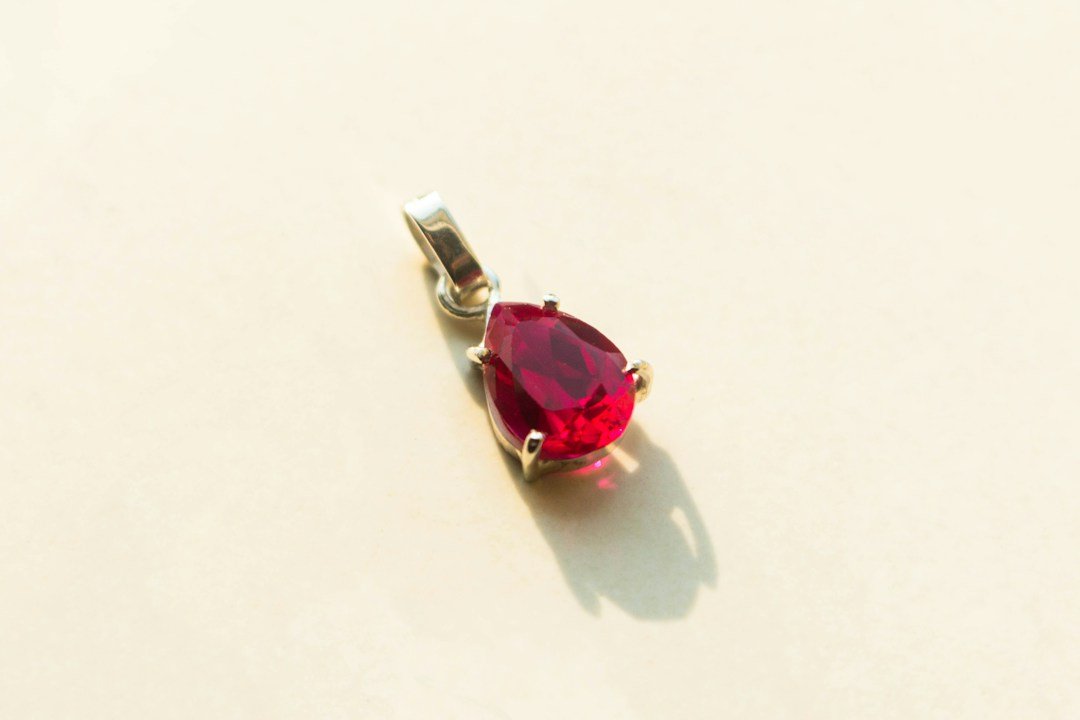
Discover what makes ruby unique: its corundum identity, vivid red color, quality factors, treatments, origins, durability, value and practical buying and care advice.
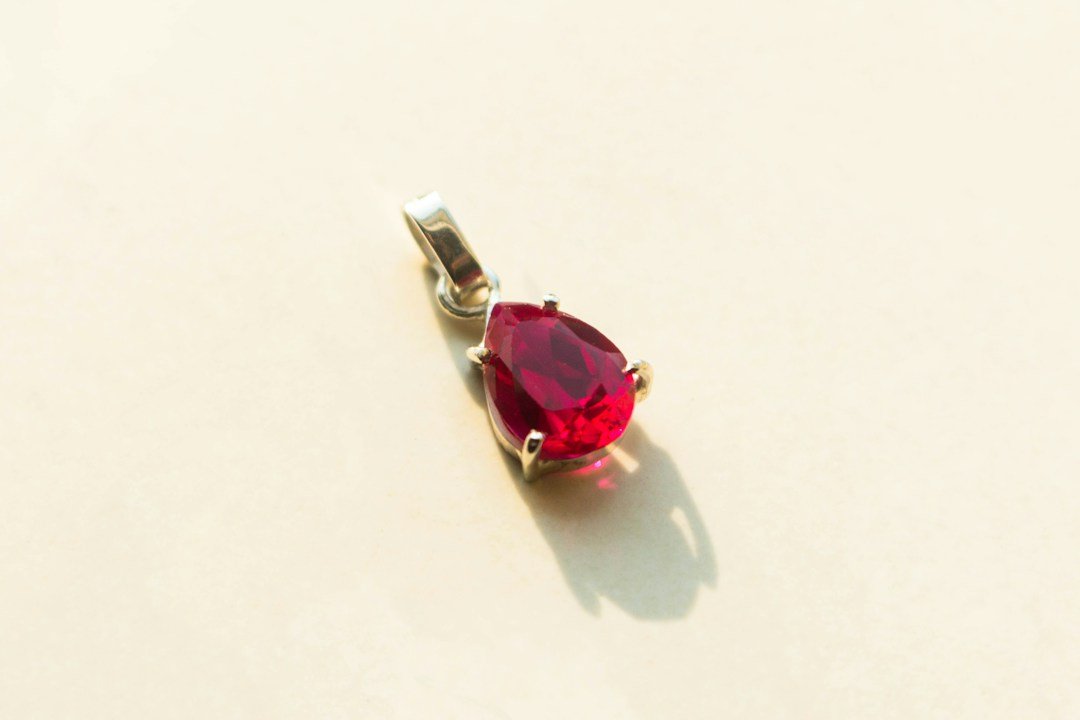
Ruby is the red variety of the mineral corundum, the same mineral species that includes sapphire. In pure form corundum is colorless; trace elements create its colors. Chromium is responsible for ruby’s characteristic red, and can also contribute to its red fluorescence.
Ruby is one of the most important colored gemstones and is prized in fine jewelry and collecting. GIA identifies ruby as the red corundum variety and notes that ruby can command very high per-carat prices, especially when color, clarity, size and other quality factors combine favorably. GIA Ruby overview.
Color is the most significant quality factor for ruby. Fine ruby is generally described as a pure, vivid red to slightly purplish red with strong saturation. Color that is too dark can reduce brightness, while very light material may fall into the pink-sapphire category depending on the gemological system and market.
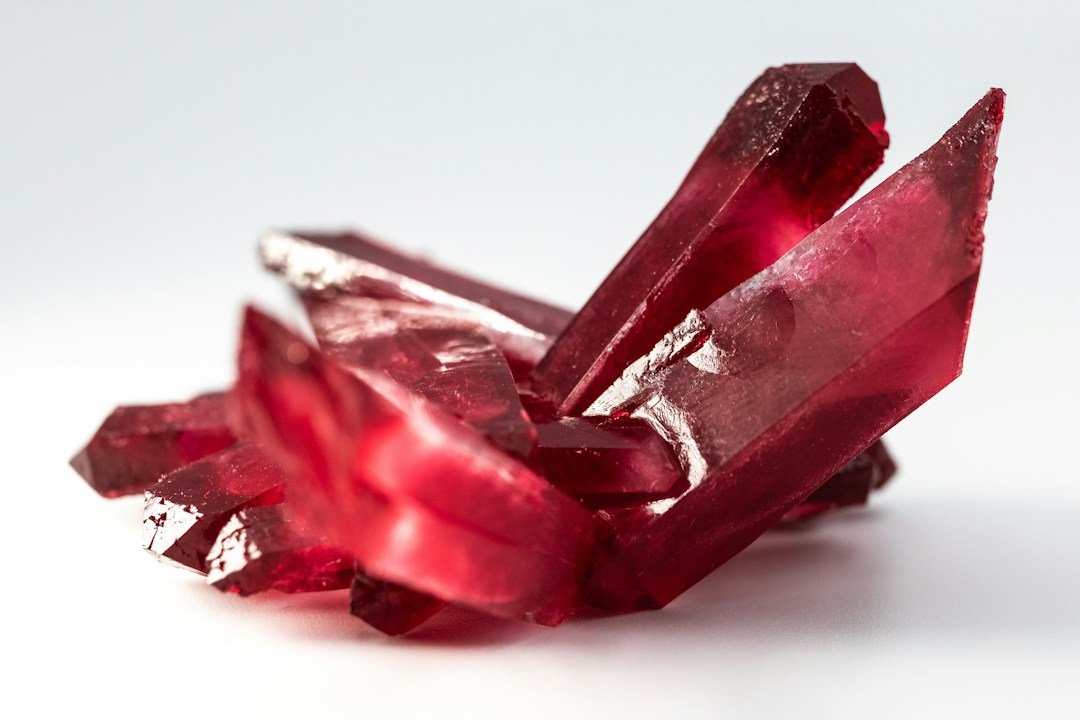
Carat weight matters as well. Fine-quality rubies above one carat are uncommon, and price per carat can increase significantly with size, particularly for strong color and quality. These factors should be considered together rather than using carat weight alone.
Source: GIA Ruby Quality Factors.
Important ruby sources include Myanmar, Vietnam, Mozambique, Madagascar, Sri Lanka, Tanzania and other producing regions. Geological environments differ, and rubies from the same locality can vary widely in quality.
Origin can be an important part of a ruby’s story and, when supported by laboratory testing, may influence market value. It should not be treated as a substitute for examining the stone’s actual color, clarity, treatment and overall quality. GIA specifically advises buyers not to confuse country of origin with quality.
Treatment disclosure is essential when buying ruby. Heat treatment is common and can improve color and clarity. Other material may have undergone diffusion or fracture filling. Laboratory-grown ruby also exists and should be clearly identified as laboratory-created or laboratory-grown rather than presented as mined natural ruby.
GIA notes that fracture-filled or cavity-filled rubies require more careful handling than untreated or appropriately treated ruby because the filler can be vulnerable to chemicals and other damage. GIA Ruby Care & Cleaning.
Ruby ranks 9 on the Mohs hardness scale and has good toughness with no cleavage, making corundum suitable for rings and other jewelry exposed to everyday wear. However, treatment can change care requirements, so durability should be considered alongside the stone’s treatment history.
For untreated, heat-treated and many lattice-diffusion-treated rubies, warm soapy water is a safe cleaning method. Fracture-filled, cavity-filled or dyed ruby should be treated more cautiously and cleaned with a damp cloth according to GIA guidance.
Ruby does not have one fixed price. Market value depends on the combination of color, clarity, cut, carat weight, treatment, origin when documented, condition, transparency and overall beauty. Fine color and larger size can have a particularly strong effect on price.
Because asking prices change and individual stones differ, online ruby prices should be treated as listing prices rather than universal valuations. For higher-value stones, compare complete specifications and independent documentation instead of comparing price per carat alone.
For most untreated and appropriately treated ruby, clean gently with warm soapy water and a soft cloth or soft brush. Store ruby jewelry separately from harder gemstones to reduce scratching.
Do not use aggressive chemicals on fracture-filled or cavity-filled ruby. Treatment type matters: GIA notes that some filled material can be damaged by acids and other chemicals, while ultrasonic and steam cleaning are not appropriate for certain filled or dyed stones.
Ruby’s durability makes it versatile for jewelry. Classic oval and cushion cuts are popular, while round, pear, marquise and other shapes are also available. A well-proportioned cut can balance weight retention with attractive light return.
Ruby is also the July birthstone and is traditionally associated with the 15th and 40th wedding anniversaries. Its strong red color works naturally with yellow gold, white gold, platinum and other jewelry styles.
Continue exploring GemsVault for natural gemstones, rare stones and gemstone education. Check the live catalogue for current Ruby availability, specifications and prices rather than relying on static article examples.
Browse current gemstone listings and explore additional gemstone guides.


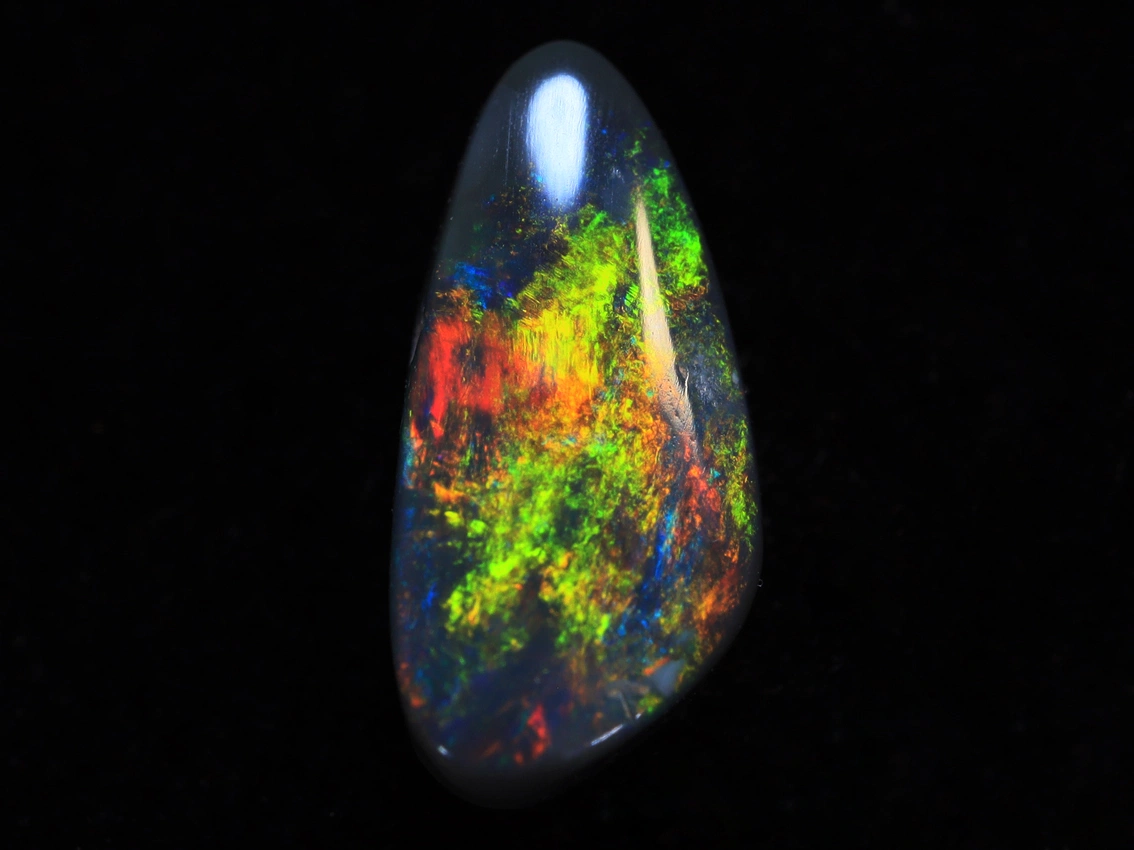
[…] GemsVault for gemstone education and current gemstone listings. Browse our existing guides on Ruby, Larimar, Sapphire, Opal and Cabochon […]
[…] the GemsVault catalogue for current gemstone availability and continue with our Ruby, Diamond, Larimar, Opal and Cabochon […]