Our Location
304 North Cardinal St.
Dorchester Center, MA 02124
Where Rare Gems Find Their Place
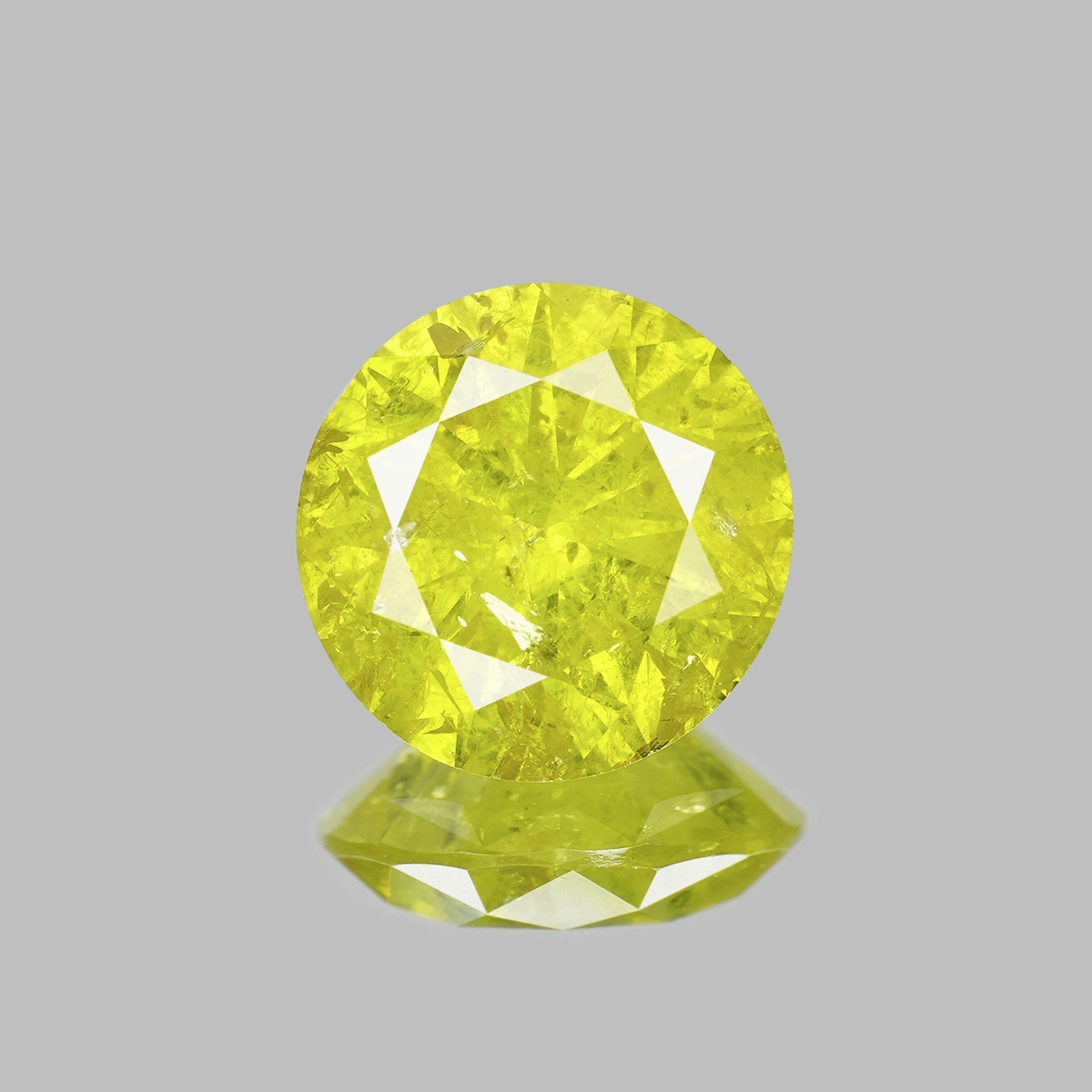
Explore how diamonds form, what makes them valuable, how the 4Cs work, natural versus laboratory-grown diamonds, treatments, ethical sourcing, jewellery care and smart buying considerations.
Diamond is a crystalline form of carbon in which carbon atoms are arranged in a three-dimensional crystal structure. This structure gives diamond its exceptional hardness and contributes to its optical properties.
Natural diamonds form deep within Earth under high pressure and temperature over geological timescales. They are brought closer to the surface through volcanic rocks known as kimberlite and, in some regions, related geological deposits. The Gemological Institute of America (GIA) explains that diamond’s properties arise from its crystal structure and composition.
The internationally recognised framework of Cut, Colour, Clarity and Carat Weight is widely used to describe diamond quality. The four factors interact, so one characteristic should not be considered in isolation.
Carat weight measures mass, not visual quality. Two diamonds with the same carat weight can have substantially different appearance, cut quality and value.
Reference: GIA Diamond Quality Factors.
Shape describes the outline of a polished diamond, such as round brilliant, oval, pear, emerald, cushion or princess. Cut describes the quality of the diamond’s proportions, symmetry, polish and light performance.
| TermWhat it meansRound brilliantA classic diamond shape designed around a brilliant-style faceting arrangement.Oval / Pear / MarquiseElongated shapes that can create a visually larger spread for their weight depending on proportions.EmeraldA step-cut style emphasising clarity, broad reflections and a hall-of-mirrors effect.CushionA square or rectangular outline with softened, rounded corners; facet styles vary. |
|---|
Natural and laboratory-grown diamonds share the same fundamental chemical composition and crystal structure, but their origins are different. Natural diamonds form through geological processes inside Earth. Laboratory-grown diamonds are produced using controlled technological processes, commonly HPHT or CVD.
Laboratory-grown does not mean imitation: a laboratory-grown diamond is diamond material. However, it should be clearly disclosed as laboratory-grown rather than represented as a mined natural diamond.
Learn more from GIA’s laboratory-grown diamond research.
For many white diamonds, the GIA D-to-Z scale describes increasing traces of yellow or brown body color. D represents the highest color grade in that scale. Diamonds with noticeable natural hues such as yellow, pink, blue or green can fall into the fancy-color diamond category and are evaluated using different criteria.
Colour perception is affected by lighting, setting and surrounding materials. When comparing diamonds online, use consistent photography and, for important purchases, a recognised laboratory report.
Natural diamonds commonly contain tiny internal characteristics and surface features. The clarity scale considers the number, size, relief, nature and position of characteristics when viewed under standardised conditions.
Clarity does not mean “perfect” versus “bad.” Many diamonds with inclusions that are difficult to see without magnification can appear beautiful in normal viewing. The practical goal is to understand what is present and whether it affects transparency, durability or appearance.
Diamond pricing is influenced by the combination of the 4Cs, shape, fluorescence, proportions, finish, laboratory report, market conditions and whether the diamond is natural or laboratory-grown. Fancy-color diamonds are evaluated under a different framework, where hue, tone, saturation and color distribution can be especially important.
There is no single universal retail price for a diamond. Compare stones with similar specifications and verify the grading information before comparing prices.
Diamond sourcing can matter for consumers who want greater transparency about supply chains and environmental or social considerations. The Kimberley Process was established to help prevent trade in rough diamonds used to finance armed conflict, while individual companies and certification systems may provide additional sourcing information.
For a purchase where provenance is important, ask the seller what documentation and sourcing information they can provide. Do not assume that a generic “conflict-free” statement alone answers every ethical or provenance question.
Reference: Kimberley Process.
Diamond’s hardness of 10 on the Mohs scale makes it highly resistant to scratching, which is one reason it is widely used in jewellery. Toughness and durability are not identical to hardness, so settings still need appropriate care.
Rings receive frequent contact with surfaces. Check prongs and settings periodically, and avoid exposing jewellery to harsh impacts.
These formats can reduce direct contact with hard surfaces while allowing the diamond to remain the focal point of the design.
Regular cleaning helps remove oils and residue that can reduce sparkle. A gentle approach using warm water, mild dish soap and a soft brush is commonly suitable for many diamond jewellery pieces.
For professional guidance, see GIA Diamond Care & Cleaning.
Continue exploring GemsVault for gemstone education and current gemstone listings. Browse our existing guides on Ruby, Larimar, Sapphire, Opal and Cabochon Gemstones.
Explore current gemstone listings, specifications and availability.
Clean diamonds regularly with warm water, mild dish soap, and a soft brush, as outlined in the diamond 4Cs guide.
Rinse thoroughly and store them separately from softer jewellery.
Have settings inspected periodically and check with a jeweller before ultrasonic or steam cleaning if treatments or delicate materials exist.
Yes.
Laboratory-grown diamonds have the same chemical composition and crystal structure as natural diamonds.
The diamond 4Cs guide says they should be clearly disclosed as laboratory-grown.
The diamond 4Cs guide considers Cut, Colour, Clarity and Carat Weight evaluated together since they interact.
One characteristic should not be considered in isolation.
A diamond is a crystalline form of carbon. Described in the diamond 4Cs guide, its three‑dimensional crystal structure gives it exceptional hardness and optical properties.


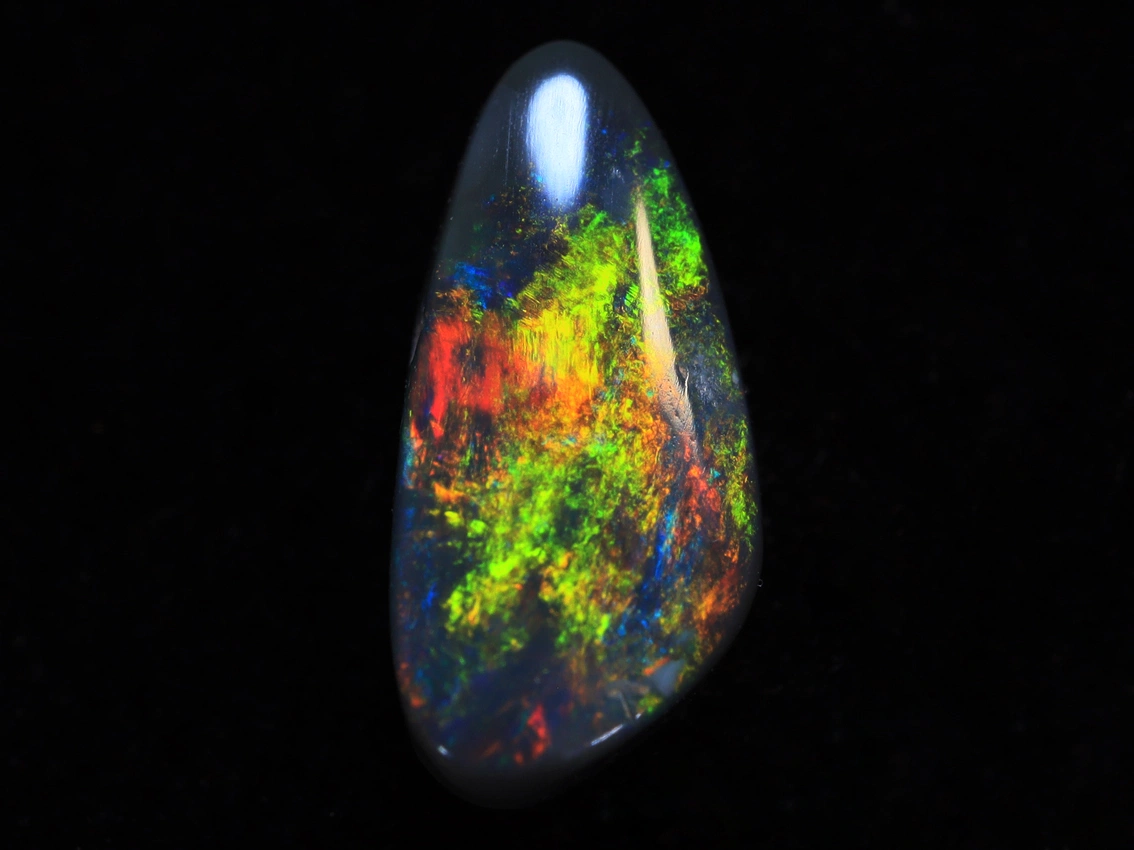
[…] the GemsVault catalogue for current gemstone availability and continue with our Ruby, Diamond, Larimar, Opal and Cabochon […]
perfect